


Blog
Afghan Food Culture and Hospitality

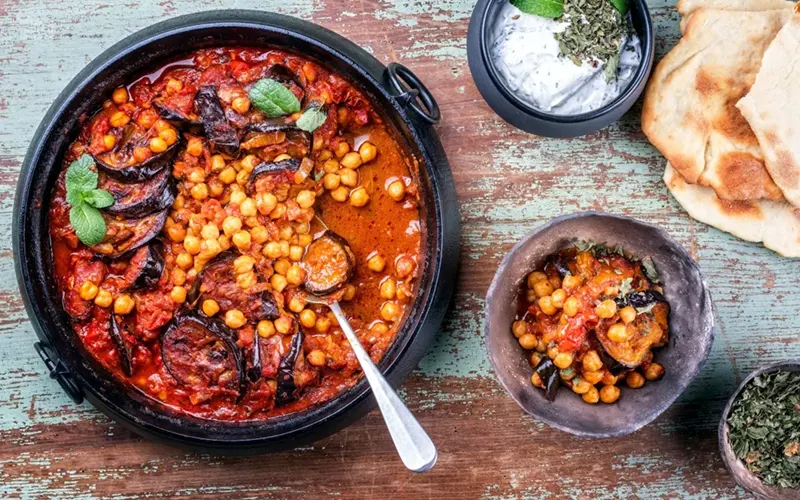
Afghan food culture is more than a collection of traditional dishes. It is a reflection of history, geography, and deeply rooted values of hospitality. In Afghanistan, food is not simply prepared to satisfy hunger; it is prepared to welcome, to honor guests, and to strengthen social bonds. Every meal carries meaning, and every table tells a story of generosity and tradition.
The Role of Food in Afghan Culture
Food in Afghan society is closely tied to identity and community life. Meals are often shared, and eating alone is uncommon in traditional settings. Hospitality is considered a moral duty, and guests are treated with high respect regardless of their background.
Hospitality as a Cultural Value
In Afghan culture, welcoming guests is one of the most important social responsibilities. It is common for families to prepare more food than necessary to ensure that guests are always served generously. Refusing a guest or offering minimal food is seen as inappropriate.
Shared Meals and Family Bonds
Meals are usually served in a communal style, where dishes are placed in the center and everyone shares. This reinforces unity and strengthens family relationships. It is not just about eating together, but about spending meaningful time together.
Traditional Afghan Dishes That Define the Cuisine
Afghan cuisine is known for its rich flavors, aromatic spices, and balanced use of rice, meat, vegetables, and bread. Each dish reflects regional influences from Central Asia, the Middle East, and South Asia while maintaining a unique Afghan identity.
Afghan Rice Dishes
Rice is a staple in Afghan meals and often considered the heart of the table. Dishes like Kabuli Pulao are among the most iconic, combining fragrant basmati rice with tender meat, carrots, raisins, and spices.
Popular Meat and Stew Dishes
Slow-cooked stews are a central part of Afghan cooking. Dishes such as Qorma (stew with meat, vegetables, and spices) are widely enjoyed and vary from region to region. The long cooking process enhances flavor and tenderness.
Breads and Everyday Staples
Bread, especially naan, is essential in Afghan meals. It is often baked in traditional clay ovens and served fresh. Bread is used not only as food but also as a utensil for scooping dishes.
The Art of Afghan Hospitality
Hospitality in Afghanistan goes beyond food. It includes warmth, respect, and attention to detail when hosting guests. The way a guest is received reflects the honor of the host family.
Greeting Guests with Respect
Guests are often greeted warmly and seated in the best place in the home. Tea is usually served immediately, followed by sweets or fruits before the main meal is presented.
The Importance of Tea Culture
Tea, especially green tea, plays a central role in hospitality. It is offered multiple times during a visit and serves as a symbol of welcome and comfort. Conversations often begin and continue over tea.
Regional Diversity in Afghan Cuisine
Afghanistan’s geography has created diverse culinary traditions across regions. Each area has its own specialties influenced by local ingredients and cultural exchanges.
Northern Afghan Flavors
In the northern regions, dishes often include more dairy products and rice-based meals influenced by Central Asian cuisine.
Southern and Eastern Influences
Southern and eastern areas show stronger spice profiles and include dishes influenced by neighboring Pakistan and India, especially in meat and bread preparation.
Modern Influence on Afghan Food Culture
While traditional practices remain strong, modern influences have started shaping Afghan cuisine, especially in urban areas and among Afghan communities abroad.
Fusion and Global Adaptation
Afghan restaurants around the world are introducing fusion versions of traditional dishes, adapting flavors to local tastes while preserving authenticity.
Preserving Culinary Heritage Abroad
For Afghan communities living abroad, food becomes a strong link to cultural identity. Traditional recipes are passed down through generations, keeping heritage alive even outside Afghanistan.
Conclusion
Afghan food culture is deeply tied to values of respect, generosity, and togetherness. Every meal is an expression of hospitality, and every dish carries cultural memory. Whether served in a rural village or a modern city, Afghan cuisine continues to represent warmth, connection, and pride in tradition.