


Blog
How to Store Nuts and Dried Fruits Properly

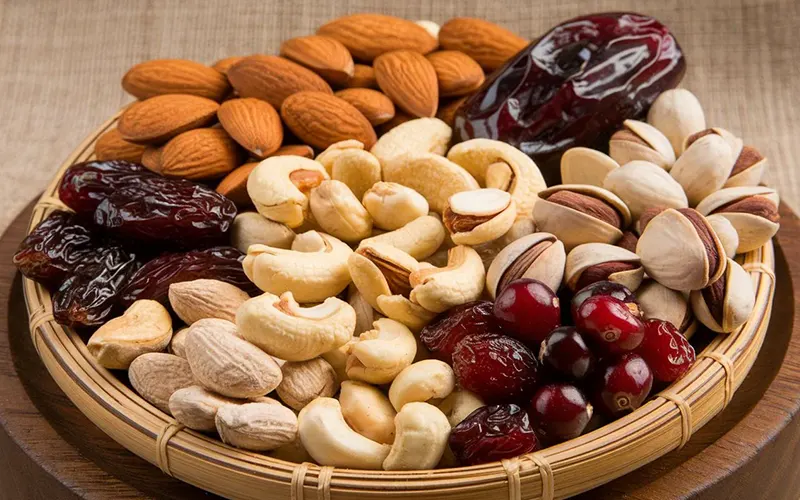
Nuts and dried fruits are among the most nutrient-dense snacks you can keep in your kitchen. They are rich in healthy fats, fiber, vitamins, and natural energy. However, they are also sensitive to heat, moisture, and air exposure. If stored incorrectly, they can quickly lose their flavor, turn rancid, or even become unsafe to eat.
Proper storage is not complicated, but it does require a few smart habits that can significantly extend freshness and preserve quality.
Why Proper Storage of Nuts and Dried Fruits Matters
Nuts contain natural oils that are highly sensitive to oxidation. Once exposed to air, these oils begin to break down, causing bitterness and an unpleasant smell. Dried fruits, on the other hand, can absorb moisture from the air, leading to mold growth or a sticky, hardened texture.
Preventing Nutrient Loss
When exposed to heat and light, essential nutrients like vitamin E and healthy fatty acids degrade over time. Proper storage helps maintain their nutritional value for longer periods.
Maintaining Taste and Texture
Freshly stored nuts remain crunchy, while dried fruits stay soft and naturally sweet instead of becoming dry or overly chewy.
Best Containers for Storing Nuts and Dried Fruits
Choosing the right container plays a major role in extending shelf life.
Airtight Glass Containers
Glass jars with tight-sealing lids are one of the best options. They prevent air exposure and do not absorb odors or oils.
Food-Grade Plastic Containers
These are lightweight and practical for everyday use. However, they should always be BPA-free and fully sealed.
Vacuum-Sealed Bags
Vacuum sealing removes air completely, making it ideal for long-term storage, especially for bulk quantities.
Ideal Storage Conditions at Home
Even the best container will not help if storage conditions are poor. Temperature, humidity, and light exposure all matter.
Cool and Dark Places
Store nuts and dried fruits in a pantry or cupboard away from direct sunlight and heat sources like ovens or stoves.
Refrigeration for Longer Freshness
Refrigerating nuts significantly slows down oil oxidation. This is especially useful for walnuts, almonds, and pistachios.
Freezing for Long-Term Storage
Freezing is the best option for long-term preservation. Nuts can last up to a year or more when frozen properly without losing quality.
Common Storage Mistakes to Avoid
Even small mistakes can shorten shelf life significantly.
Leaving Packages Open
Once opened, exposure to air accelerates spoilage. Always reseal or transfer to airtight containers immediately.
Storing Near Heat Sources
Heat speeds up rancidity in nuts and dries out fruits faster than expected.
Mixing Old and Fresh Batches
Combining fresh and older stock can reduce the quality of the entire batch due to uneven freshness levels.
How Long Can Nuts and Dried Fruits Last?
Shelf life depends on type and storage method.
Nuts Shelf Life
Most nuts last 3 to 6 months at room temperature, up to 1 year in the refrigerator, and even longer in the freezer.
Dried Fruits Shelf Life
Properly stored dried fruits can last 6 to 12 months. Refrigeration can extend this period further while maintaining texture.
Practical Tips for Everyday Use
Small habits can make a big difference in freshness and quality.
Buy in Smaller Quantities
Purchasing smaller amounts ensures you consume them before they lose freshness.
Label Your Containers
Marking storage dates helps you track freshness and avoid eating expired batches.
Keep Moisture Absorbers Nearby
Food-safe silica packs or dry storage environments help prevent unwanted humidity buildup.
Proper storage of nuts and dried fruits is not just about keeping food safe, it is about preserving taste, nutrition, and value. With the right containers, environment, and habits, you can enjoy fresh and high-quality snacks for months without compromise.